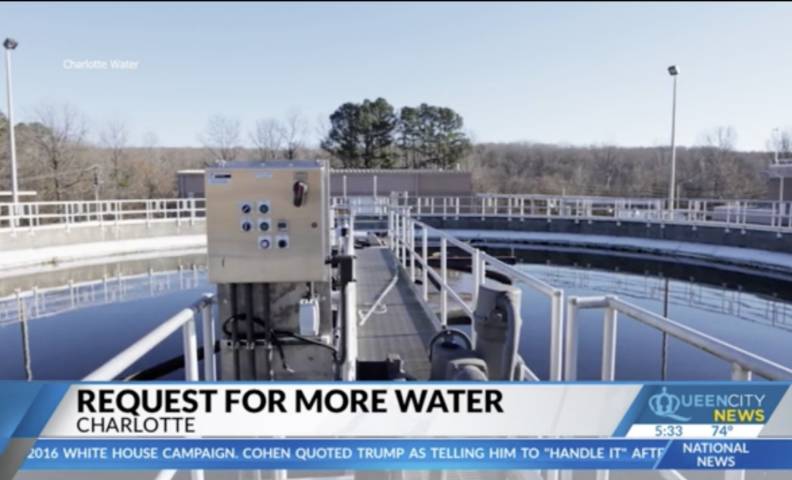
The Problem
In 2002, Charlotte received approval to facilitate its growth by siphoning 33 million gallons of water per day out of the Catawba River Basin, which serves rural counties in western North Carolina.
This type of water removal, called an “inter-basin transfer,” is controversial – it permanently removes a precious, limited resource from its river basin of origin, and the communities served by that river basin, and dumps it into another river basin where it is lost to the original basin forever.
Under current North Carolina law, the Environmental Management Commission (EMC) must review all inter-basin transfers greater than two million gallons per day. Because of concerns, including water management, the Catawba River was named one of the most endangered rivers in America in 2008.
Last year, Charlotte announced it would seek EMC approval to nearly double the amount of water it siphons out of the Catawba, bringing the total to 63 million gallons per day.
Charlotte Dropped the Ball on Water and Infrastructure Planning:
Although Charlotte projected way back in 2002 that it would need additional water around 2030, for 25 years the city chose not to build out its own infrastructure to meet that need.
- Just three years ago Charlotte received $141 million in federal pandemic relief funds that could be used for “necessary investments in water, sewer, or broadband infrastructure.”
- Here’s what Charlotte had to say about meeting its water needs: “The city is not currently planning to use any Local Fiscal Recovery Funding on infrastructure projects.”
- Instead, according to its own report, Charlotte put that money toward all sorts of high priority uses, including bonus checks for employees that got vaccinated, equity and diversity projects, and workforce development for “formerly incarcerated individuals.”

The Impact
Rural communities will suffer the consequences when Charlotte grabs water from its neighbors:

Constrained growth: Charlotte siphoning this much water will limit western North Carolina’s ability to serve current and future families, residents, and manufacturers.
 Severe risk in drought conditions: The Catawba River Basin almost ran dry during the 2007 drought. Doubling the amount of water siphoned from the basin and sent to Charlotte will make the next drought even worse.
More expensive drinking water treatment: High-volume water flow in a river or stream keeps water cleaner by reducing concentrations of sediment and other pollutants. Taking 63 million gallons of water per day from the basin will reduce water flow.

The Solution
Pass legislation to limit IBTs that exceed 30 million gallons per day AND makes them temporary.
Find solutions that work for every community WHILE protecting rural North Carolinians from policies that hinder their ability to grow and resource their own communities.
Take Action
News

‘At our expense’: Would a Charlotte plan threaten the Catawba River?

Catawba River remains at heart of regional water showdown
Lawmakers Advance Bill to Order Two-Year Halt to Large Inter-Basin Transfers
Why it’s a terrible idea

Introducing “Protect Our Water, Protect Our Future”
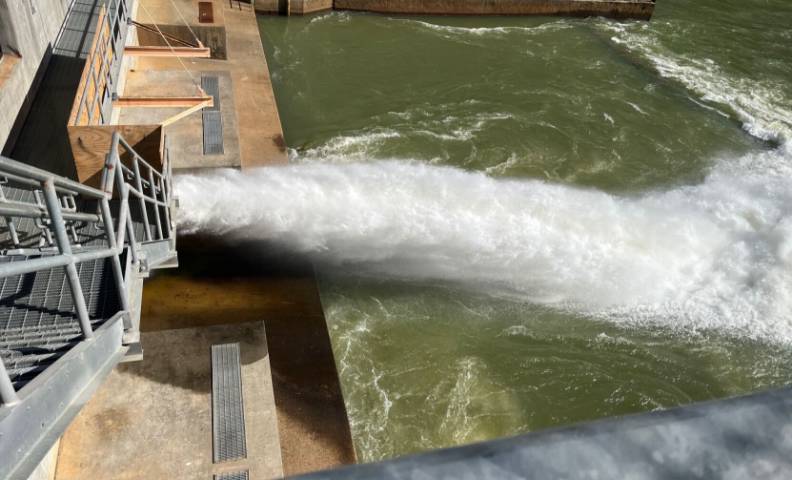
Daniel’s senate bill would restrict interbasin water transfers

Senate Bill 428